Skip to content

This weekend: CRSSD Fall · Sat Doors noon both days · Tickets on sale

The San Diego List*
WEEKEND
Things to Do · Trip Planning

San Diego Without a Car

A $2.50 bus from the airport, a 15-minute ferry to Coronado and a $6 daily cap on buses and trolleys. Plan San Diego without a car, corridor by corridor.

10 optionsCopy updated Sep 23, 2026Sources checked Jul 22, 2026By The San Diego List

The short answer

Yes.

San Diego works without a car if you stay in Little Italy or Downtown and give each day one transit corridor. Start with MTS Route 992 from the airport, a $2.50 bus that reaches Santa Fe Depot in about 15 minutes. Then use the Trolley downtown, Route 7 or Rapid 215 for Balboa Park and the Zoo, Old Town Transit Center for the beach buses, and the ferry for Coronado. Save rideshare money for gaps like a weekend at Cabrillo National Monument.

NeighborhoodsLittle Italy →Downtown →Old Town →Balboa ParkMission Beach →Pacific Beach →La Jolla →Coronado →Oceanside →Carlsbad →San Ysidro & Otay Mesa →

San Diego has a reputation as a driving town, and the 5 at rush hour works hard to keep it. Here's the good news for anyone landing without a rental: the parts of the city most visitors come for are tied together by a bus from the airport, four Trolley lines, a handful of beach buses, a ferry across the bay and a commuter train up the coast. Plan San Diego without a car the right way and you trade the parking hunt for a seat by the window.

The right way is simple. Pick a walkable base, give each day one corridor, and keep a small budget for the few trips transit covers slowly. This guide walks through ten moves in the order you'd actually make them: the airport ride, the downtown core, Balboa Park, the Old Town transfer, three stretches of coast, the COASTER, the South Bay and Cabrillo. The numbers follow the trip, not a quality score. Coronado sits at #7 because it usually lands later in the week.

A few things to set up before your first ride. A standard adult bus or Trolley fare is $2.50 and includes two hours of transfers, and a PRONTO card or the PRONTO app caps standard adult fares at $6 a day. A contactless bank card works for a single ride but doesn't earn that cap, so load PRONTO if you'll ride three or more times in a day. And before any evening out, save your trip home in the MTS trip planner. Late-night service can run far less often than daytime service, and the last connection of the day matters more than the first.

Still choosing a neighborhood? Start with where to stay in San Diego, and when a day heads up the coast, across the bay or to the border, our guides to the COASTER, the bay ferries and crossing into Tijuana pick up from there.

Accessibility

Accessible rides start with the right stop

MTS says every bus and Trolley is accessible: buses board by ramp or lift, and a blue button beside a Trolley door deploys one. The vehicle is the easy part to count on. Before you leave, check your exact boarding stop, the live elevator page and current alerts and detours. If an elevator is out, follow the posted alternate route. MTS Access, the paratransit service, is for riders already certified under that program and runs on its own service area and hours, so plan on fixed-route buses and trains as a visitor. If a mobility device is part of the trip, check sidewalks, grades, ferry gangways and beach approaches separately too.

Airport to Little Italy or Downtown

AIRPORT · ROUTE 992 · SANTA FE DEPOT · FIRST MOVE
The move
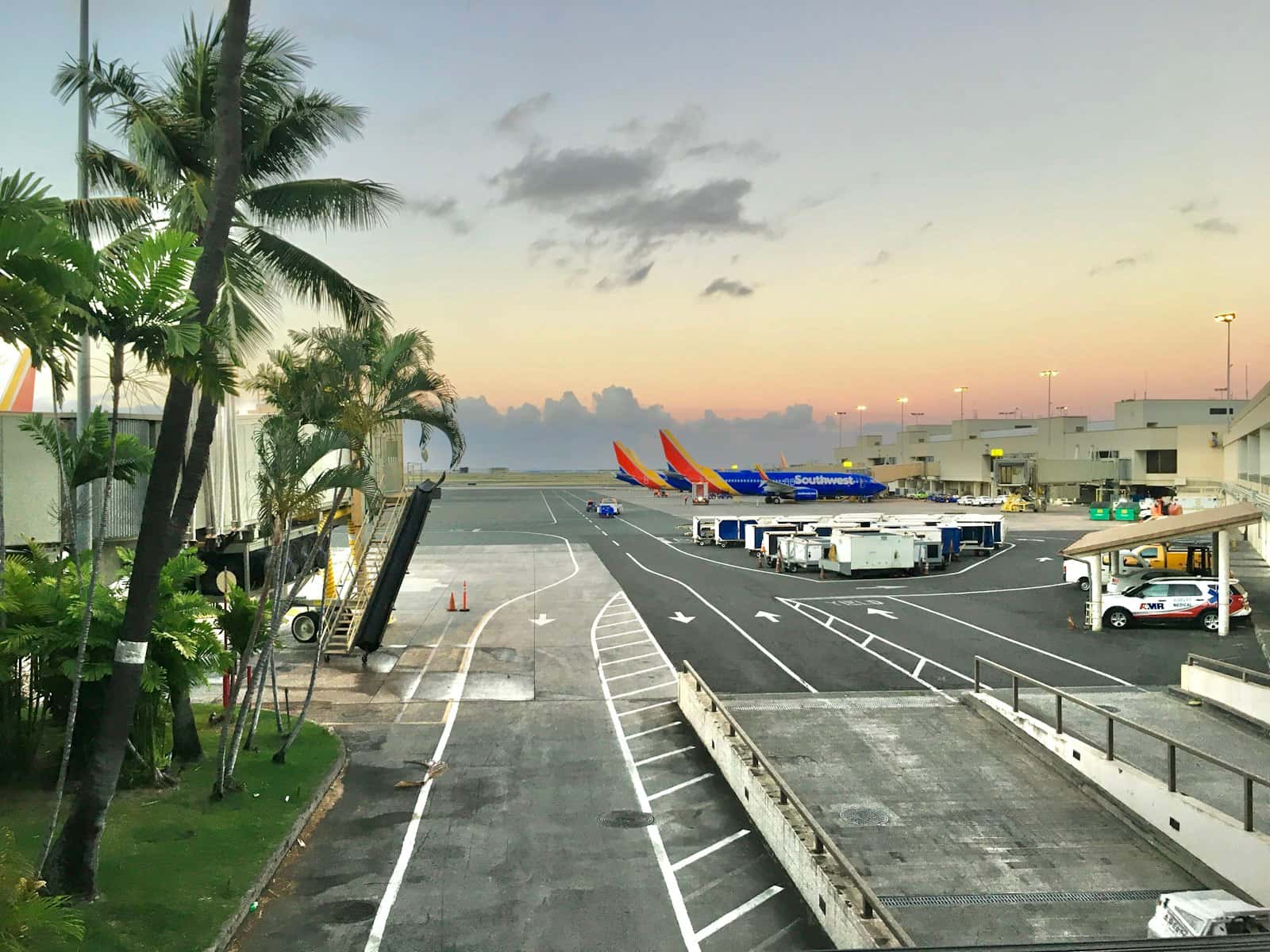
At the curb, check live arrivals, then take Route 992 to Santa Fe Depot or the free Flyer to Old Town.

A car-free San Diego trip starts at the curb outside baggage claim, and the first decision is the easiest one on this list. MTS Route 992 serves both terminals at the airport and gets you to Santa Fe Depot, on Kettner Boulevard downtown, in about 15 minutes. The fare is the standard $2.50. If you're staying in Little Italy or Downtown, that one bus is the whole airport transfer.

The 992 is built for people who just stepped off a plane. Each terminal has a raised-platform stop, and the bus has luggage racks and wider doors, so rolling a suitcase on board is routine. MTS runs it every 15 minutes, all day and night, with service currently listed from 4:30 a.m. to 1 a.m. daily. That covers the early-morning arrivals and most late flights, and a quick look at live arrivals when you reach the curb tells you how long you'll wait.

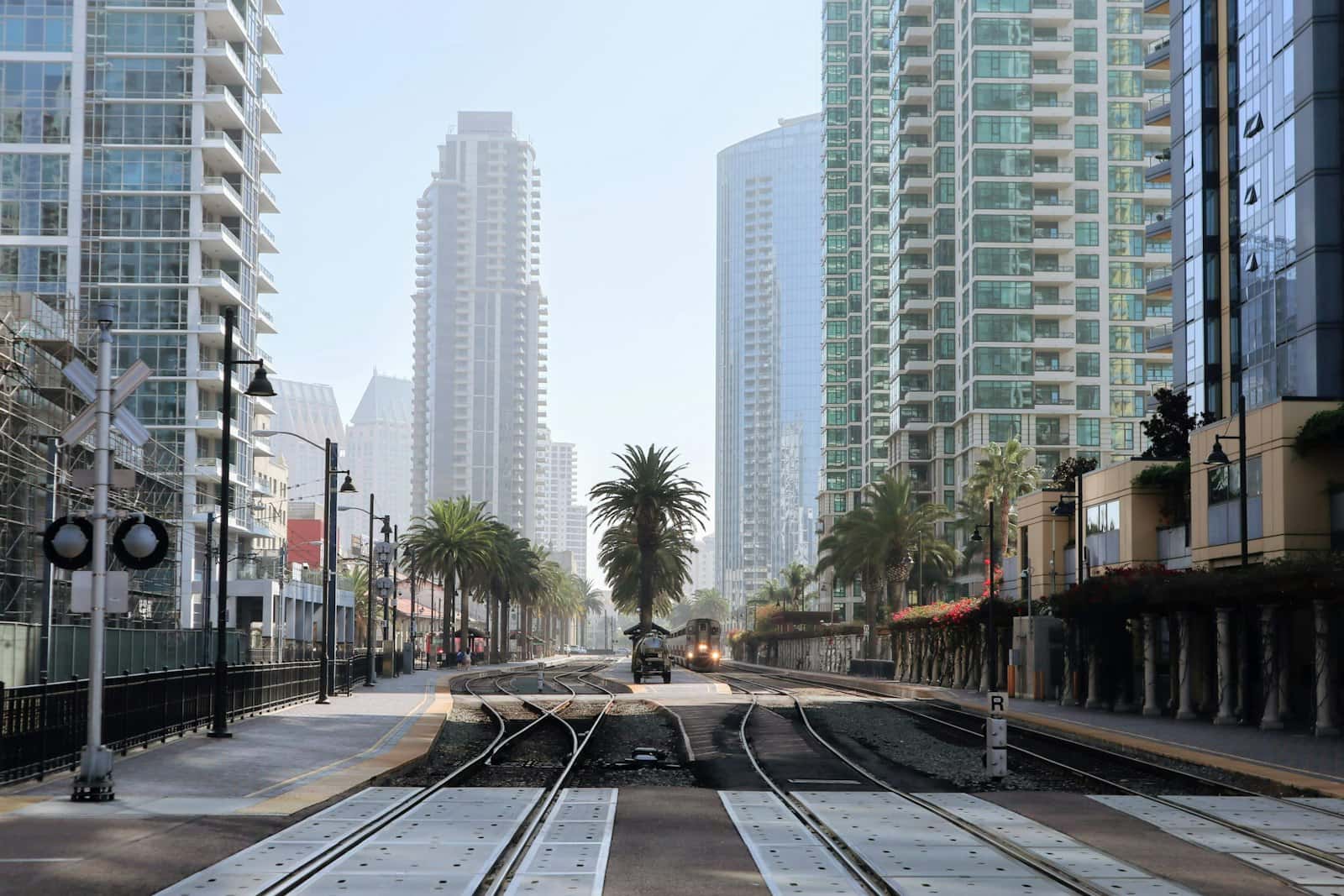
Santa Fe Depot is the other reason this ride leads the list. It's where the city's transit comes together: three Trolley lines, three Rapid bus lines, the COASTER and Amtrak all connect there. Step off the 992 and you can walk to a Little Italy hotel, catch the Trolley toward the Gaslamp, or head straight for a train up the coast.

Is your next stop Old Town? Take the free Flyer instead. It runs every 20 to 30 minutes from 4:45 a.m. to 12:30 a.m., and its pickups and drop-offs are timed to the first and last Trolley, COASTER, Amtrak and MTS bus departures, so it's a smart link for anyone catching an early train north or a beach bus. The Flyer is for transit riders only, and there's no overnight parking at Old Town Transit Center, so it works as a connection and never as a park-and-ride.

One last tip for arrival day. Terminal 1's stop has moved before, so confirm the exact curb location when you get there instead of trusting an old screenshot or map pin.

Downtown, Little Italy, the Waterfront, and Petco Park

CENTRAL · WALK · BLUE + GREEN LINES · EVENTS
The move
Walk the waterfront and the Gaslamp, and ride the Trolley for the longer north-south hops.

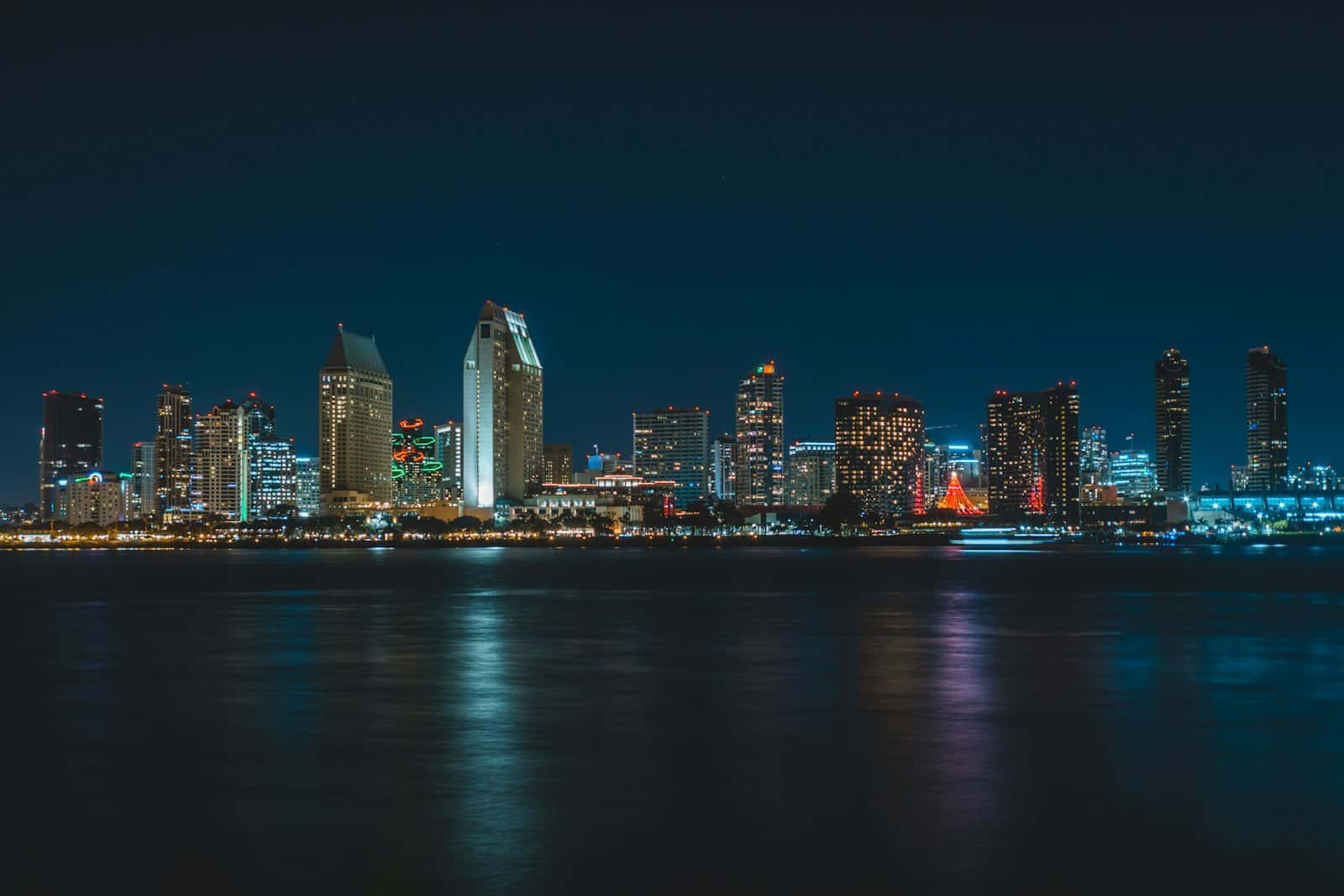
Downtown and Little Italy are home field for a car-free trip. The waterfront, the Gaslamp, the Convention Center, Seaport Village and Petco Park, where the Padres play, sit close enough together that most days here are a walking plan with a Trolley ride or two for the longer hops. It's the base the rest of this trip is built around.

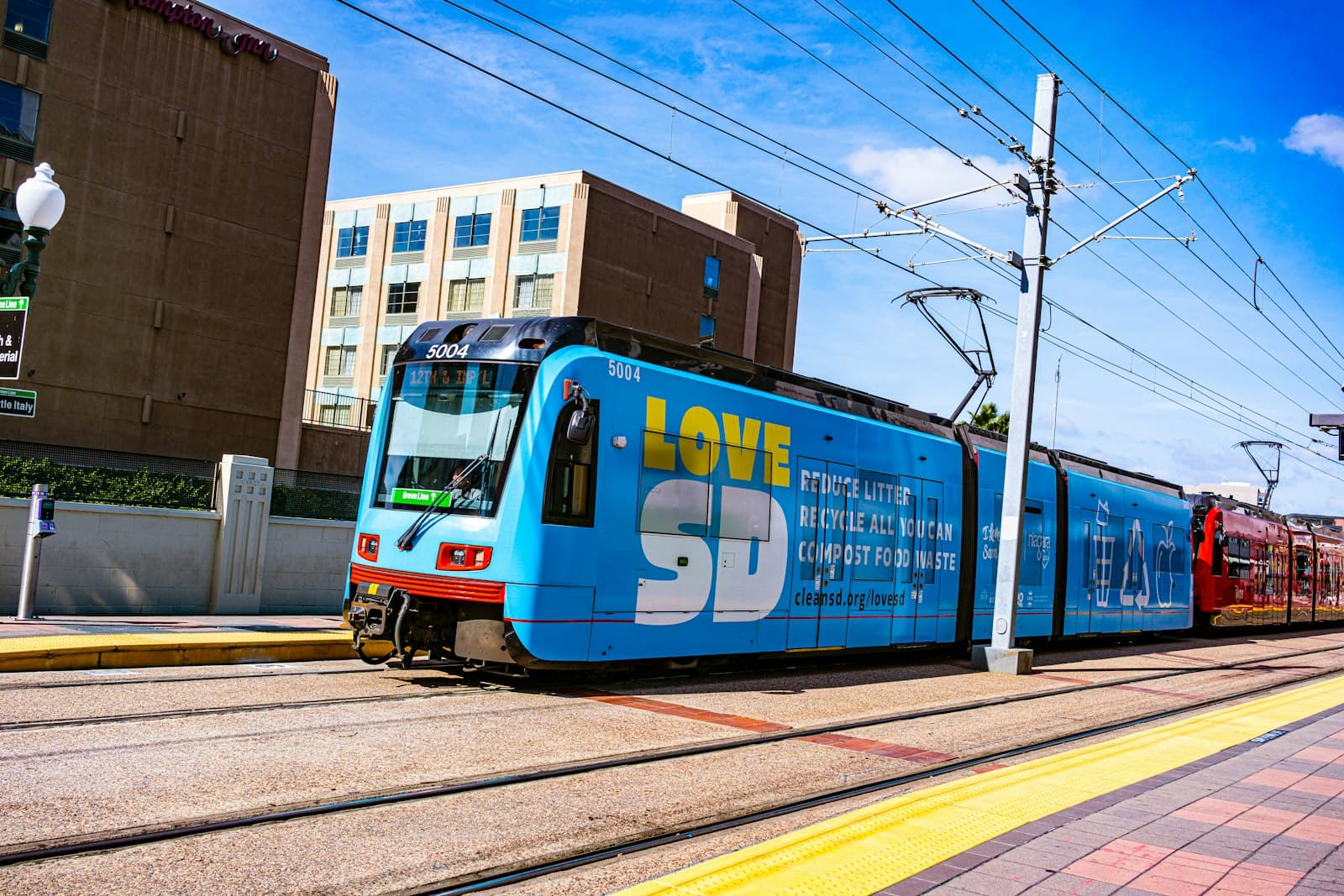
The San Diego Trolley has four lines, the Blue, Green, Orange and Copper, with 50-plus stations between them. Two of them do most of the work for visitors. The Blue Line runs from UC San Diego through downtown and the South Bay all the way to the border at San Ysidro. The Green Line runs from downtown through Old Town, Mission Valley and SDSU out to El Cajon. For Little Italy and points north, ride the Blue Line. For the Convention Center, the Gaslamp and the Seaport Village side, the Green Line is your train.

Three names make the map friendlier: 12th & Imperial Transit Center, Old Town Transit Center and El Cajon Transit Center are the system's big transfer hubs. Learn those three and the rest of the map falls into place.

Ballgames and Gaslamp dinners call for one habit. Before you head out, save your trip home in the MTS trip planner. A line that runs all day can have a much longer gap between trains late at night, and knowing your last good ride home keeps the ninth inning relaxed.

The beaches are the one piece the core leaves to the buses. Mission Beach, Pacific Beach and Ocean Beach each need a bus connection, so give them their own day and let downtown be where you sleep, eat and catch the game.

Balboa Park and the San Diego Zoo

BALBOA PARK · DIRECT BUS · CITY COLLEGE TRANSFER
The move
Ride the Trolley to City College, then take Route 7 or Rapid 215 up Park Boulevard to the Balboa Park and Zoo stop.

Balboa Park and the San Diego Zoo can fill a whole day on their own, and getting there without a car comes down to two buses. Route 7 and Rapid 215 both run up Park Boulevard to the Balboa Park and Zoo stop every 15 minutes or better, every day, and they use dedicated bus lanes on Park Boulevard heading north from downtown. You skip the parking lots and step off at the park.

The rides are short. Rapid 215 takes about 14 minutes from Santa Fe Depot and about 17 from Boulevard Transit Plaza. The classic move is to ride the Trolley to City College, then catch either Route 7 or Rapid 215 for a hop of about six minutes up Park Boulevard. That puts the Zoo a short ride from a Little Italy or Downtown hotel.

The last stretch can slow down. MTS flags that vehicle traffic near the Zoo can make travel times longer than expected, and it recommends the OneBusAway app for real-time arrivals. Put it on your phone before you go and you'll know whether there's time for one more exhibit or it's time to head for the stop.

The bigger question is what you're coming for. Balboa Park is too big for an unfocused day on transit, so pick one museum cluster, the Zoo, or a garden circuit before you board. The west side of the park can need a different bus or a long walk across the park, so map the exact entrance you want and plan the day from there.

Your next good San Diego plan.
Places to try, weekend ideas and the local updates that change your plans. Join the early list. We’ll email you when the first issue launches.
By subscribing, you agree to receive The Shortlist by email when it launches. Free; unsubscribe anytime. See our privacy policy. Questions about The Shortlist?

Old Town, Mission Valley, and the Green Line

OLD TOWN · GREEN LINE · BEACH-BUS TRANSFER
The move
Transfer at Old Town, then take Route 35 for Ocean Beach, Route 8 for Mission Beach or Route 30 for PB and La Jolla.

Old Town Transit Center is the hinge of a car-free San Diego trip. The Blue and Green Trolley lines meet here, the COASTER stops nearby, the free airport Flyer pulls in, and the buses to the coast leave from here. If downtown is where you sleep, Old Town is where your beach days begin.

Three routes cover most of the shoreline. Route 35 runs straight to Ocean Beach. Route 8 heads to Mission Beach and Mission Bay. Route 30 takes the long way up the coast to Pacific Beach, La Jolla and UTC. Match the route to the beach you actually want, since each one is its own trip. On weekdays, Route 28 leaves from Old Town too, as the first leg of the ride out to Cabrillo National Monument.

The habit that saves the day here is giving the bus bays some slack. Bay assignments at the transit center can move, so leave a cushion for the transfer instead of planning to the published minute. A tight connection on paper can turn into a lap around the center looking for the right curb, and a few spare minutes turns that into a non-event.

Those spare minutes have a nice payoff. Old Town itself, the historic district, is a short walk from the platform, so a long connection can become a stroll. And the Green Line continues from here through Mission Valley and SDSU to El Cajon, which makes Old Town a handy stop even on days that never touch the sand.

Mission Beach and Mission Bay

BEACHES · ROUTE 8 · BELMONT PARK · NO PARKING HUNT
The move
Take the Trolley to Old Town, then Route 8 for Mission Beach, Belmont Park and Mission Bay.

Mission Beach parking on a summer weekend is a sport nobody signs up for, and Route 8 lets you sit it out. The bus leaves Old Town Transit Center and heads toward Balboa Avenue by way of Mission Beach, passing Belmont Park and running along Mission Bay. From a downtown hotel, that's one Trolley ride to Old Town and one bus to the sand.

Keep an eye on the number on the front of the bus. Route 9 is a different corridor that serves SeaWorld and part of the bay, so check that you're boarding the 8 instead of assuming the two routes overlap. If SeaWorld is the plan, the 9 is your bus. If Belmont Park and the beach are the plan, you want the 8.

Route 8's current timetable took effect June 7, 2026, and every MTS bus boards by ramp or lift, which helps anyone riding with a wheelchair or other mobility device. Check live arrivals for your travel date before you leave the hotel.

Beach days come with gear, and gear is where a transit plan gets heavy. Chairs, a cooler and a pile of kids' stuff can turn a Trolley-and-bus trip into a workout. If that's your crew, price out one targeted rideshare for the gear-heavy leg and ride transit for the rest of the day. Traveling light? Pack a towel, hop on the 8, and leave the parking to everyone else.

Pacific Beach and La Jolla

COAST · ROUTE 30 · PB · LA JOLLA · UTC
The move
Choose Pacific Beach or one La Jolla district, then ride Route 30 from Old Town or the Blue Line to UTC.

Route 30 is the long coastal bus of this guide: a single route that connects Old Town Transit Center with Pacific Beach, La Jolla and UTC. That's a lot of San Diego on one bus, and it's why both PB and La Jolla make a realistic car-free day.

The trick is to pick one. Choose Pacific Beach or a single La Jolla district, the village or the Shores, and build the day around it. The corridor is long, and the Pacific Beach and La Jolla segments can run at different intervals, so hopping around the coast adds up to a lot of waiting. The village and the coast path reward a planned day more than a quick hop on and off the bus.

Headed straight for La Jolla? The Blue Line to UTC can shorten the trip when the village or the Shores is the priority. The Trolley stops at UTC and doesn't go into the village, and La Jolla is hilly, so check the final walking grade and your return stop before you leave UTC or Old Town. That way the last stretch on foot is one you've planned.

For Pacific Beach, the Old Town start on Route 30 is the straightforward play.

Coronado by Ferry

CORONADO · FERRY · BIKE · LANDING IS NOT THE BEACH
The move
Take the ferry from the dock nearest your hotel, then bike or bus from the Ferry Landing to Central Beach.

Getting to Coronado by ferry feels less like a commute and more like part of the outing. Boats leave from Broadway Pier and from the Convention Center, and the crossing takes about 15 minutes from either one. For a car-free visitor, it's a relaxed way onto the island.

Pick the dock closest to your hotel. Convention Center departures run about every 30 minutes, and Broadway Pier departures about every hour. One-way fares start at $9, and the ferry is its own ticket, separate from PRONTO, so your daily transit cap doesn't cover it.

The boat lands at the Ferry Landing, home to the Ferry Landing Marketplace and water-taxi service. Central Beach is farther across the island, so decide before you board how you'll cover the last stretch. The local bus is one way. A bike is the fun way: a roughly 16-mile path runs around the edge of Coronado for cyclists, skaters and walkers, so the island opens up the moment you roll off the landing.

If dinner on the island is part of the plan, check the ferry schedule in both directions before you book the table. The last boat back varies by day, and a missed one means a bus or a paid ride home.

North County Coast by COASTER

NORTH COUNTY · COASTER · OCEANSIDE · CARLSBAD · ENCINITAS
The move
Save your last train home first, then pick one town and at most one neighboring stop.

The COASTER is North County's commuter train, and on a day off it's the easiest way to trade downtown for a beach town. It runs eight stations between downtown San Diego and Oceanside, and the full run takes about an hour. Board at Santa Fe Depot or near Old Town and ride up to Encinitas, Carlsbad or Oceanside without touching the 5.

Plan this one around the timetable. Monday through Thursday bring 30 trips a day, Fridays add two more for 32, and weekends run 20 trips a day, year-round. So pick your last train home first, then choose one town and, at most, one neighboring stop. A one-town day leaves room to wander. A four-town day is mostly platforms.

Fares run on three zones, so buy for the distance you're riding. A COASTER fare increase takes effect October 1, 2026, so check the price for your trip when you buy. The line also connects with the SPRINTER, with BREEZE buses, and with Amtrak through the Rail 2 Rail partnership, which opens up more of North County for anyone with a plan.

One small Oceanside detail: NCTD lists the Oceanside Transit Center at 205 S. Tremont St., while some fare and event materials point to 195 or 235 nearby. Follow the live station map and you'll end up in the right spot.

South Bay and the Border on the Blue Line

SOUTH BAY · BLUE LINE · CHULA VISTA · SAN YSIDRO
The move
Ride the Blue Line to Iris Avenue for Rapid 227 to Imperial Beach, or to San Ysidro for the border.

The Blue Line is the South Bay's rail spine. It runs from UC San Diego through downtown and the South Bay to San Ysidro at the border, so a southbound day can start with a single Trolley ride. The station at the end is a starting point for the day. The food districts and the bayfront still take a walk or a connecting bus, so choose your stop before you board.

For Imperial Beach, the connection is Rapid 227. Transfer from the Blue Line at Iris Avenue Transit Center, and the bus links Imperial Beach, Nestor and Otay Mesa at the border. It runs from 4 a.m. to midnight, seven days a week, every 15 minutes or better most of the day and as often as every 7.5 minutes at peak. The leg between the border and the Trolley takes about 15 minutes.

A bayfront day can also start on the water. There's a scheduled ferry from the Convention Center to Chula Vista, so check its timetable and fare before you plan around it.

If the day includes crossing into Mexico, treat that as its own decision. Border wait times and document rules change, so check current U.S. and Mexican government guidance, including CBP's, right before you cross, and lean on that over any older advice you find online.

Cabrillo and the Remaining Rideshare Gaps

REALITY CHECK · ROUTE 84 · TRAILHEADS · LATE NIGHTS
The move
On a weekday, ride Route 28 from Old Town to Rosecrans and Cañon, switch to Route 84, and plan your return first.

Cabrillo National Monument sits on Point Loma, where people have lived for roughly 7,000 years, going by the archaeological record. The Spanish built Fort Guijarros here in 1797, and the site became a military reservation in 1852. On the same peninsula, Fort Rosecrans National Cemetery, established in 1934, honors more than 120,000 veterans and their dependents. The view from the monument takes in the cemetery, downtown San Diego and the Pacific.

Cabrillo closes this guide because it's also where transit gets thin. On weekdays, take Route 28 from Old Town and transfer to Route 84 at Rosecrans and Cañon. Route 84 runs roughly hourly to the monument, weekdays only, with no service on weekends or listed holidays. Plan your return bus first, then fit the visit around it.

The tide pools are on the west side of the park along Cabrillo Road, and the bus doesn't reach that side. There's no cell service down there either, so arrange any ride back before you head down.

Arriving by bus or on foot, entry is $10 per person, with groups of up to four capped at $20 and kids under 16 free. Passes are good for seven days, and a $35 annual Cabrillo pass covers repeat visits.

A weekend at Cabrillo is where a rideshare earns its place in the budget, along with remote trailheads, early flights and late returns after frequent service winds down. Set aside money for two or three of those rides across a week and let transit handle the rest.

Where they are

Places · Linked to the guide
Boundary map · every pin links to its entry
Focus spotsHover, focus, or tap

How to use this guide

official facts, current access, logistics, and volatile claims are checked against dated primary sources; no venue rating is borrowed.

✓Current MTS, NCTD, airport, ferry, bike, fare, and accessibility guidance checked July 22, 2026

Common questions

Can you visit San Diego without a car?

Yes, and Little Italy or Downtown makes the easiest base for it. Route 992 connects the airport to Santa Fe Depot, the Trolley covers the downtown core, buses reach Balboa Park and the beaches, and a ferry crosses to Coronado. Give each day one corridor and budget for two or three paid rides across the week, for things like a weekend visit to Cabrillo National Monument or an early flight.

What is the best area to stay in San Diego without a car?

Little Italy and Downtown are the best bases. Both sit near Santa Fe Depot, where Route 992 from the airport arrives and three Trolley lines, three Rapid bus lines, the COASTER and Amtrak connect. The Blue Line serves Little Italy and points north, and the Green Line serves the Gaslamp, the Convention Center and the Seaport Village side.

How much does public transit cost in San Diego?

A standard adult MTS bus or Trolley ride in San Diego is $2.50, with two hours of transfers. A PRONTO card or app caps standard adult fares at $6 a day, but a contactless bank card doesn't earn that cap. The Coronado ferry is a separate fare starting at $9 one way, and COASTER fares are zone-based, with an increase taking effect October 1, 2026.

How do you get from San Diego airport to downtown without a car?

MTS Route 992 serves both airport terminals and reaches Santa Fe Depot downtown in about 15 minutes for $2.50. It runs every 15 minutes, with service currently listed from 4:30 a.m. to 1 a.m. daily. The free Flyer goes to Old Town Transit Center instead, every 20 to 30 minutes, and is timed to meet the first and last trains and buses.

How do you get to the San Diego Zoo without a car?

Balboa Park and the San Diego Zoo are served by Route 7 and Rapid 215, which run up Park Boulevard every 15 minutes or better. Ride the Trolley to City College for a bus hop of about six minutes, or take Rapid 215 from Santa Fe Depot in about 14 minutes. MTS suggests the OneBusAway app for real-time arrivals, since Zoo traffic can slow the last stretch.

How do you get to the beach in San Diego without a car?

Old Town Transit Center is the transfer point for most beach buses. Route 35 runs to Ocean Beach, Route 8 serves Mission Beach, Belmont Park and Mission Bay, and Route 30 connects Pacific Beach, La Jolla and UTC. Pick one stretch of coast for the day and check live arrivals, since bus bays and intervals can change.

Can you get to Coronado without a car?

Coronado is an easy car-free trip by ferry from Broadway Pier or the Convention Center. The crossing takes about 15 minutes, with Convention Center boats about every 30 minutes and Broadway Pier boats about hourly, and one-way fares start at $9. The ferry lands at the Ferry Landing, so plan a bike or bus ride on to Central Beach.

How late does public transit run in San Diego?

San Diego's airport bus, Route 992, runs until about 1 a.m., the free Flyer to Old Town until about 12:30 a.m., and South Bay's Rapid 227 until midnight. Other lines vary by route and day, and late-night service can run far less often than daytime service. Save your trip home in the MTS trip planner before any evening out.

Sources and verificationOfficial planning sources and dated primary evidence used to verify this guide.

About the author

The San Diego List blue asterisk editorial mark
By

Independent San Diego guide publisher

The publication byline for The San Diego List, published by Ezra Gonzalez. Independent guides use dated source research, clearly identified reporting and a public corrections process.

Keep planning

Read this next

Small child playing at the water's edgeUp next · Trip PlanningSan Diego With a ToddlerA tot lot on calm Mission Bay water, a carousel spinning since 1922 and touch pools above La Jolla Shores: ten ways to do San Diego with a toddler.10 ranked · Updated Aug 2 Keep reading →

More like this